
Why Management Matters
Why is Dementia · Parkinson's Disease
management important?
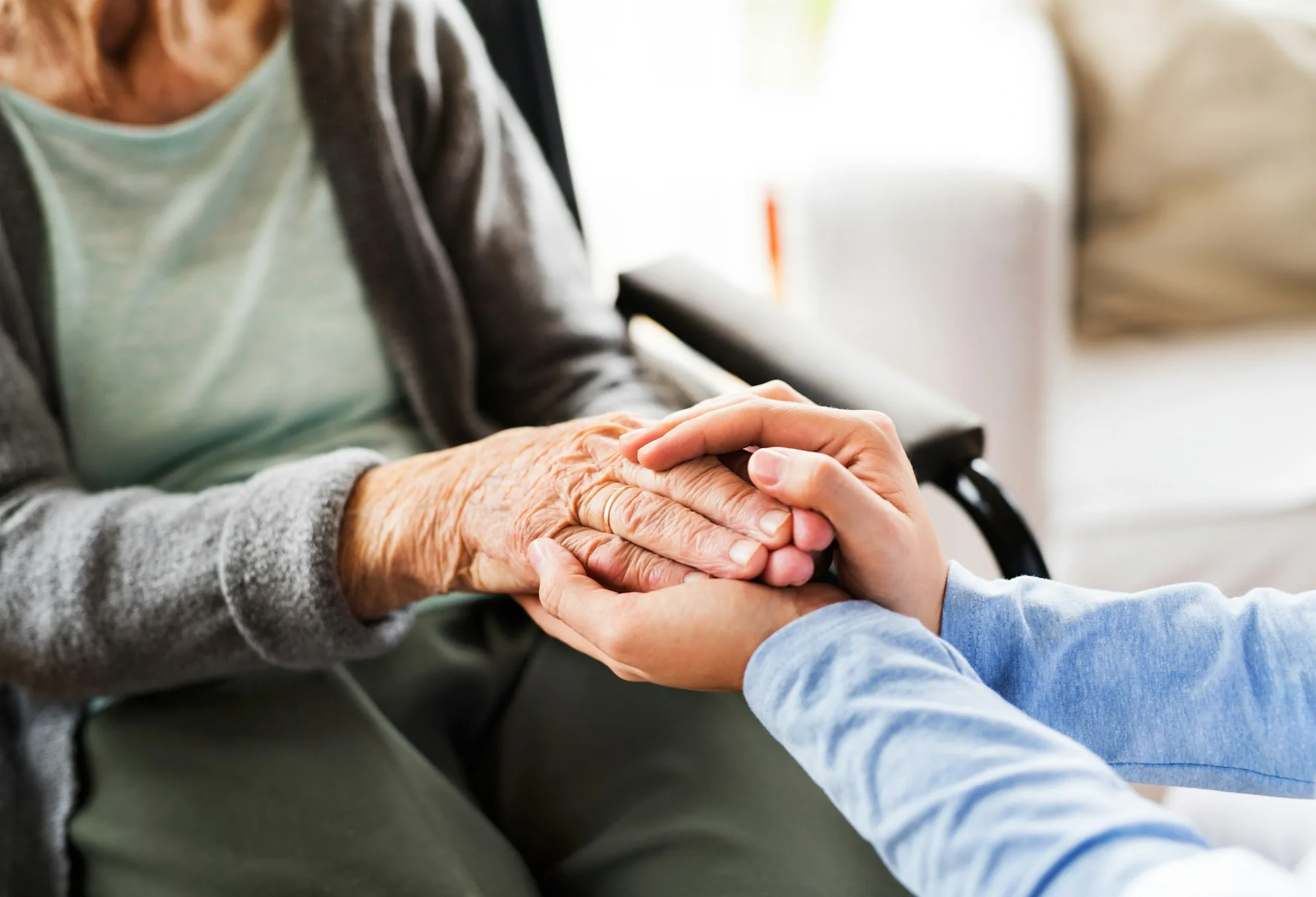
Integrated management from the early stages is very important.
Dementia and Parkinson's disease are not merely problems of memory or movement, but conditions involving complex decline in brain function, nervous system, autonomic nervous system, and systemic functions.
- · Slowly progressive chronic neurological disease
- · Starts with small daily changes in the early stages
- · Quality of life varies greatly depending on early management
- · Often has limitations with drug treatment alone
Causes & Mechanism
Causes and Main Mechanisms
Both conditions require integrated management of brain + nervous system + systemic functions.
Dementia
Dementia
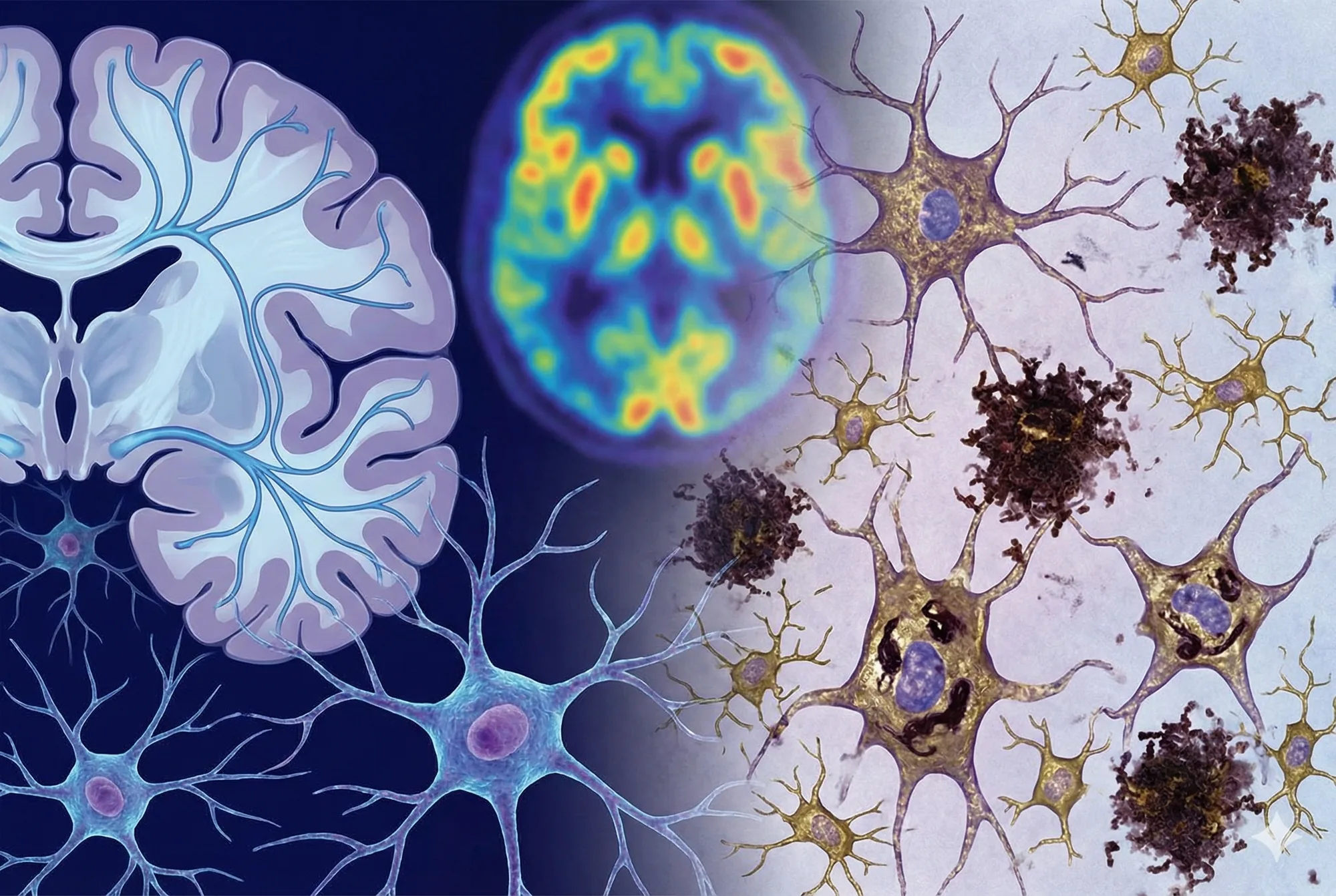
The main causes are reduced brain nerve cell function and accumulation of protein plaques in the brain.
Dementia
Dementia
· Reduced cerebral blood flow and brain nerve cell dysfunction
· Chronic inflammation and metabolic abnormalities
· Aging, stress, lifestyle factors
· Accompanied by depression, insomnia, and autonomic nervous system imbalance

Parkinson's Disease
Parkinson's Disease
It occurs due to dopamine nerve cell dysfunction and basal ganglia dysfunction in the brain.
Parkinson's Disease
Parkinson's Disease
· Tremors, rigidity, slowed movement
· Unstable gait, abnormal posture
· Accompanied by sleep disorders, depression, and autonomic nervous system symptoms
Checklist
Self-Diagnosis Checklist
Check the symptoms that apply to you from the list below.
Dementia-Related Symptoms
Parkinson's Disease-Related Symptoms
Our Values
Why TheWellSam?
Concept 01
Holistic Integrated Function
We do not only focus on the disease but take an integrated approach to brain diseases, the nervous system, autonomic nervous system,
and systemic functional decline.
Concept 02
Quality of Life Management
We focus on maintaining daily living functions and managing quality of life,
not just treating a single symptom.
Western & Korean Medicine Collaboration
Integrated Management System
It is an integrated care that complements and manages existing treatments, rather than replacing them.

Western Medicine Approach
· Confirmation of existing diagnosis and medication history
· Differentiation of neurological danger signs
· Consideration of safety when combining medications
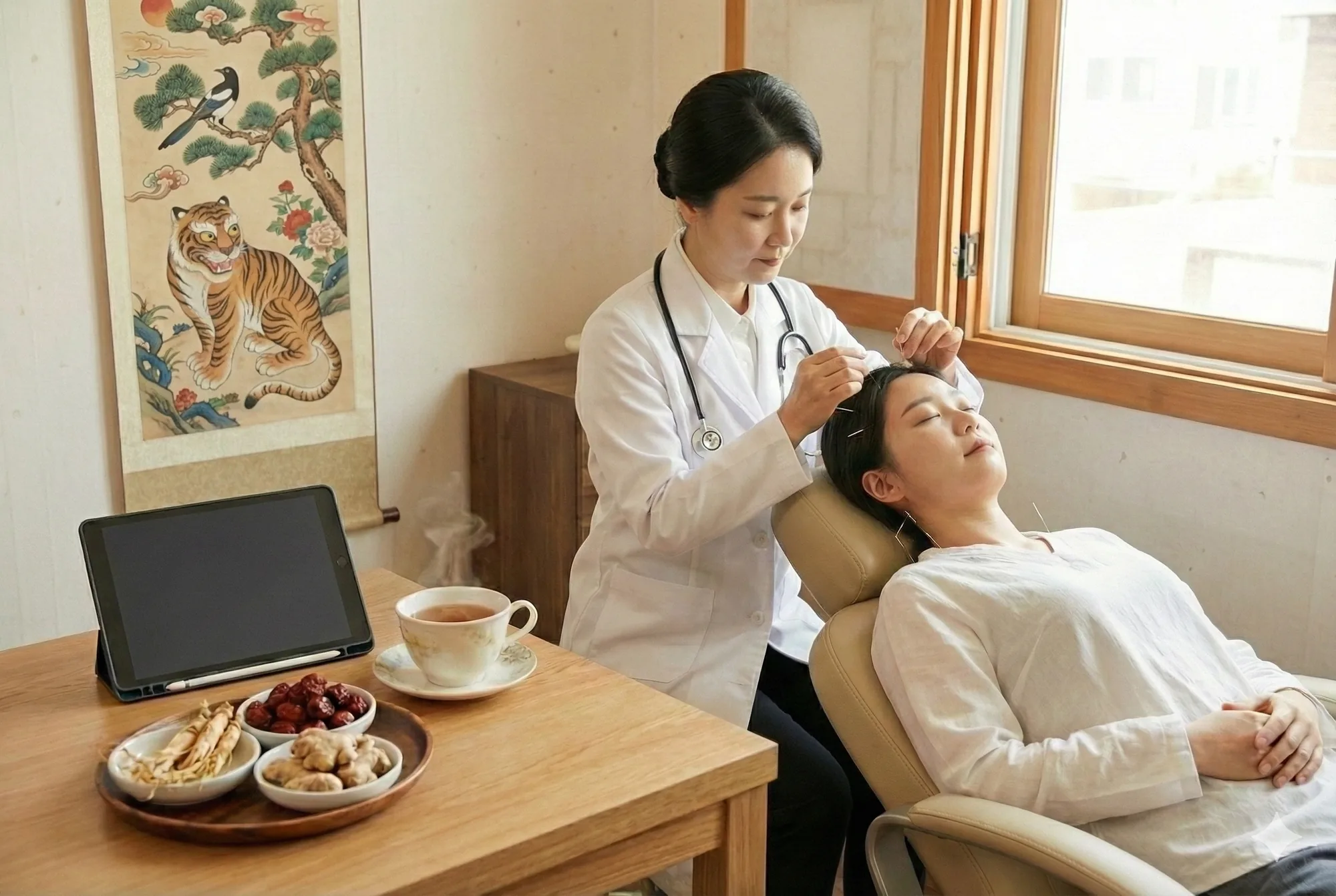
Korean Medicine Approach
· Improve brain and nerve circulation, alleviate muscle stiffness and pain
· Stabilize autonomic nervous system and manage sleep/digestion
· Customized management according to constitution, age, and condition
· Craniosacral Pharmacopuncture, Customized Herbal Medicine, Vestibular Rehabilitation Manual Therapy
Co-morbid Symptoms Integrated Management
We manage symptoms commonly associated with dementia and Parkinson's patients by connecting them in a single flow.
Caregiver Support
Management System
Considering Caregivers
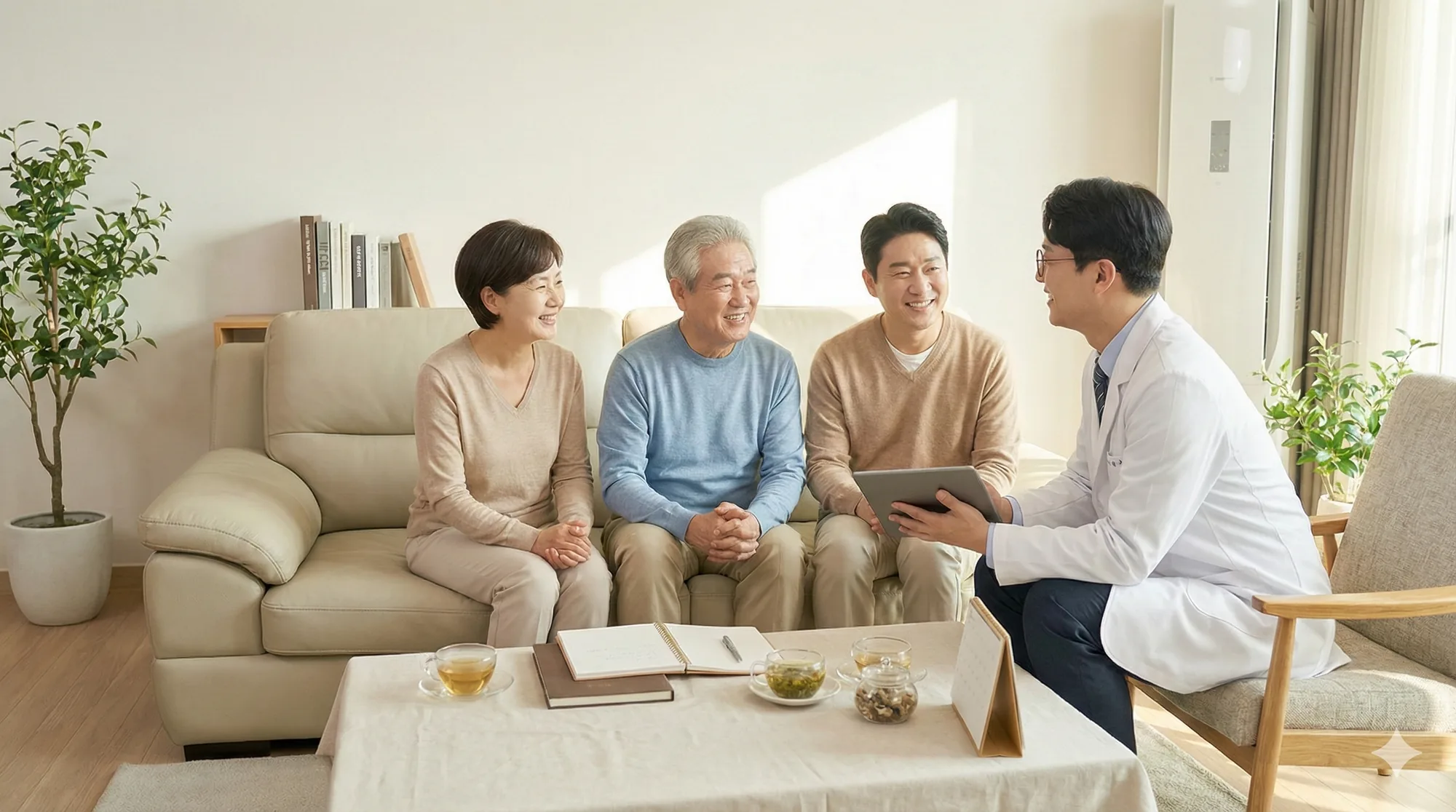
- Step-by-step management tailored to the patient's condition
- Caregiver consultation and guidance on management direction
- Treatment plan from a long-term management perspective
“Care that protects daily life, not just treatment that manages disease”
Goals of Dementia·Parkinson's Integrated Care
Goal 01
Function Decline Management
Management of cognitive and motor function decline and
maintenance of daily living functions
Goal 02
Symptom Relief
Support for alleviating stiffness, tremors, and pain, and
stabilizing sleep, emotions, and autonomic nervous system
Goal 03
Family Happiness
Protecting patient dignity and
alleviating caregiver burden
Do you need a consultation?
If you have any of the symptoms below, consult us immediately
- · Those diagnosed with early dementia or mild cognitive impairment
- · Those who need daily management after a Parkinson's disease diagnosis
- · Those with accompanying insomnia, depression, or pain
- · Caregivers looking for a hospital for long-term integrated management